
It can be overwhelming to think about the many concerns troubling Canadians lately – food insecurity, the impacts of pesticides, and growing threats to biodiversity and the climate. But did you know that moving toward a more organic, regenerative food system can be part of the solution to all of these challenges?
Recent research by the Organic Task Force found that organic agriculture can:
✅ Benefit ecosystems and support biodiversity, including birds, plants and insects.
✅ Have important climate benefits including improved soil health, reduced greenhouse gas emissions, reduced use of synthetic fertilizers and pesticides, and more energy efficient food production.
✅ Provide higher net financial returns for farmers, which can help local farmers afford to continue farming – increasing local food security and rural resilience.
Federal policy support in Canada for an organic food system could increase consumers’ access to Canadian organic food, support climate resilience, and improve national food security. So COG advocates for a regenerative and resilient organic food and farming system across Canada – and you can too! Keep reading to learn how you can become a champion of food system change.
1. Stay Informed
Making sure you are in online spaces where food system issues are discussed is a great first step to getting more informed about what is going on, where your voice can help, and what changes are needed.
Here are some of our recommendations:
- Follow organizations on social media who speak about food system policy news and issues. To name just a few:
- Subscribe to COG’s Mailing List to receive policy updates in our newsletter, The Harvest
- Learn more on CBAN’s Take Action page
- Subscribe for updates from Farmers for Climate Solutions
- Learn more about how to get involved with the Coalition for Healthy School Food
- Explore COTA’s Take Action page
- Subscribe to Food Secure Canada’s newsletter
As you check out these resources and start to learn more about food system change on the national scale, it’s also helpful to get a local outlook ⬇️
2. Hear from local farmers and agricultural organisations
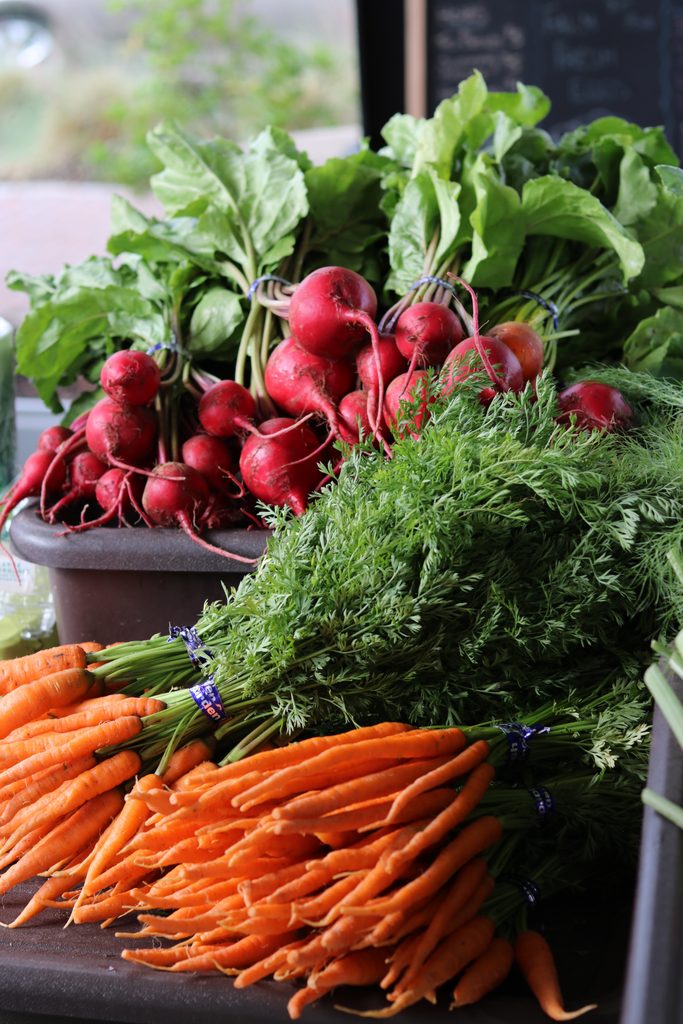
When you are out shopping at your local farm store or farmers market, it’s a great opportunity to ask your local farmer what challenges they are facing, and what issues are important to them.
Here are some priorities we have heard from farmers across the country that you might ask your local farmer about:
- Research that helps farmers solve problems, including research led by farmers and carried out on working farms
- Education and knowledge exchange opportunities for farmers, including through peer-to-peer networks
- Reducing the risk of transitioning to organic and regenerative agriculture
- Helping new, young, and underserved farmers get started
- Climate change mitigation, adaptation, and resilience
- Strengthening local and regional supply chains and food systems
- Making sure organic producers and consumers can trust and understand organic claims and labels
COG has many regional partners across the country who can be a great source of information about the challenges and opportunities that are most relevant to your local food system. Check out your local organic sector organizations to find out what they are sharing about policy and advocacy needs.
Staying informed about the issues facing farmers in your area can help you voice your support ⬇️
3. Voice your support
It’s powerful for politicians to hear regularly from constituents that a regenerative and resilient organic food and farming system is a priority.
You can connect with your political representatives at all levels – through email, social media, or even at local events – and share some of the priorities you have heard from local farmers and food system organizations.
You can also include a personal story that emphasizes why food system change is important. Hearing from passionate Canadians can help increase political support for food system change.
Are you eager to increase your impact? Spread the word to encourage more folks in your community to care about food system change and boost the message to local politicians ⬇️

4. Spread the word
When you talk to friends, family, and folks in your community about the food system and food security issues, you are helping grow the circle of passionate people and support for food system change.
If you are sitting around the kitchen table or standing around the water cooler, how can you start the conversation?
- Eating something yummy from a local organic farm? It often tastes better if it hasn’t had to travel as far, doesn’t it? Strike up a conversation about how important it is for Canada to have policies that support new, young and underserved folks in your area to start farming as others retire.
- Are folks chatting about a recent extreme weather event? You could share the information you have learned about the climate benefits of organic and regenerative agriculture!
- Has the conversation turned to the cost of food? This is the perfect opportunity to talk about policies that can strengthen Canadian supply chain resilience and local and regional food systems, reducing exposure to transportation disruptions, global supply chain shocks, and consolidation that can contribute to food price volatility.
All of this information you are gathering from local farmers, local politicians and your community can make you a powerful voice in advocacy for food system change. You can use it to make an even bigger impact ⬇️
5. Help shape our policy and advocacy work
Conscious consumers, families, food system advocates, and those who champion our work join COG as Champion Members which allows them to get even more involved by:
- Receiving special member policy updates and invitations to contribute to COG policy submissions to government.
- Contributing to COG’s policy agenda.
Learn more at cog.ca/become-a-member/
After you take action to become a champion of food system change, be sure to head back to our Organically Canadian Consumer Hub to take advantage of even more resources about the benefits of supporting organic, sustainable and local agriculture!