
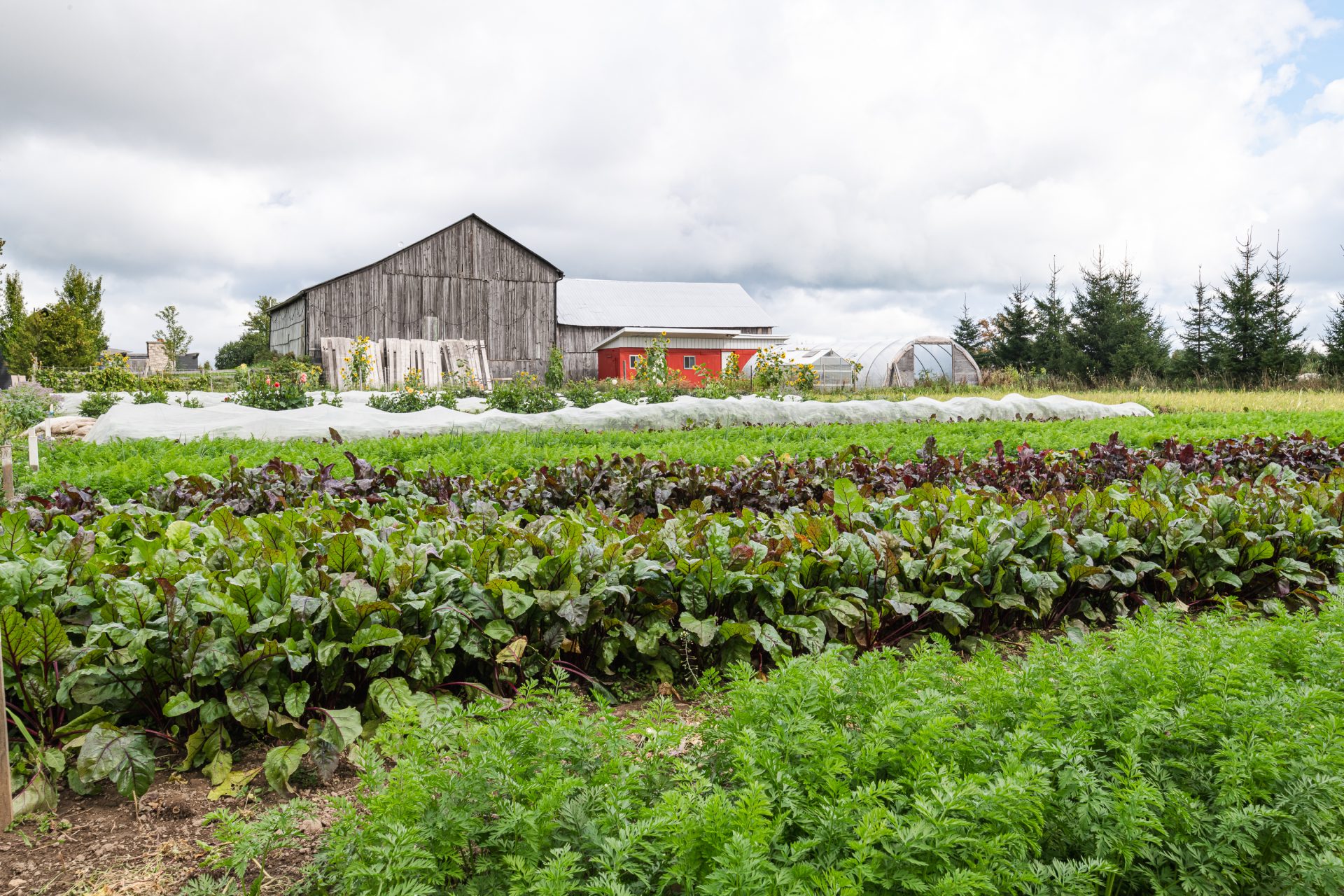
Advancing Healthier People, Farms, and Ecosystems
Purpose & Overview
Agriculture has profound and far-reaching impacts on human health, yet these connections are rarely considered systematically in Canadian policy.
The Agriculture and Human Health Task Force is a collaborative effort, convened by Canadian Organic Growers and The New Farm Centre, that explores one of the most important and underexamined questions facing Canadian agriculture: How do agricultural production systems influence human health outcomes, and how can the way we grow food improve our health?
Bringing together leaders from agriculture, healthcare, research, and public policy, the Task Force will develop an evidence-based framework that connects agricultural production systems with human health outcomes and identifies opportunities for policy, research, and investment to advance healthier people, farms, and ecosystems.
Research Context
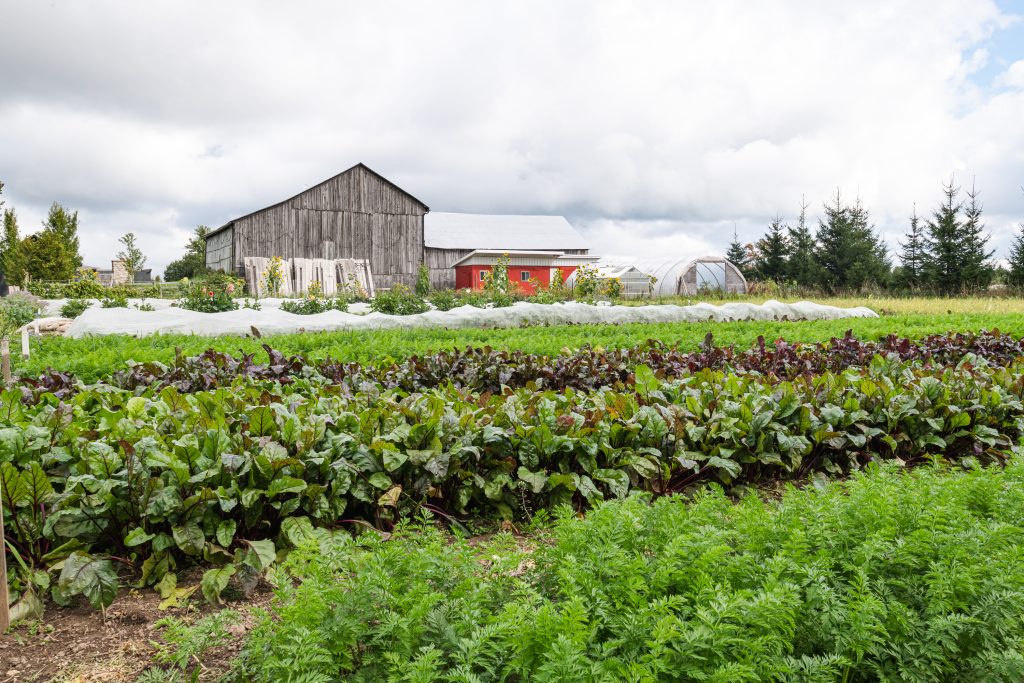
Working collectively to develop a Canadian framework built on a growing body of evidence connecting agricultural production systems to human health outcomes, the Agriculture and Health Task Force (AHTF) aims to translate the available evidence into priorities for policy, investment, research, and practices.
There is an increasingly broad understanding of the interconnections between agricultural production systems and impacts on human health. While certain areas of research and data in this field are well developed, others are still in development, and the connections are multidirectional and complex, making it challenging but certainly not impossible to design interventions that effectively improve human health through agriculture. As agricultural policies are being developed aiming to address human health outcomes, there is a need for an honest assessment of the connections and conceptual linkages between the way we grow our food, fibre, and fuel and impacts on our health.
This project addresses that need by bringing together researchers, farmers, health, and policy experts to assess the current evidence on the linkages between agricultural production and human health, and develop a Canadian framework to integrate agriculture and health policy and advance improved human health through agriculture.
The Opportunity
We believe there is an opportunity to provide an evidence-based set of recommendations on what ideal policies would look like in the Canadian context, where the connections between agriculture and health are not yet being made systematically in policy, and to leverage momentum within the Canadian agricultural communities, health communities and civil society, as well as globally, to influence policy change.
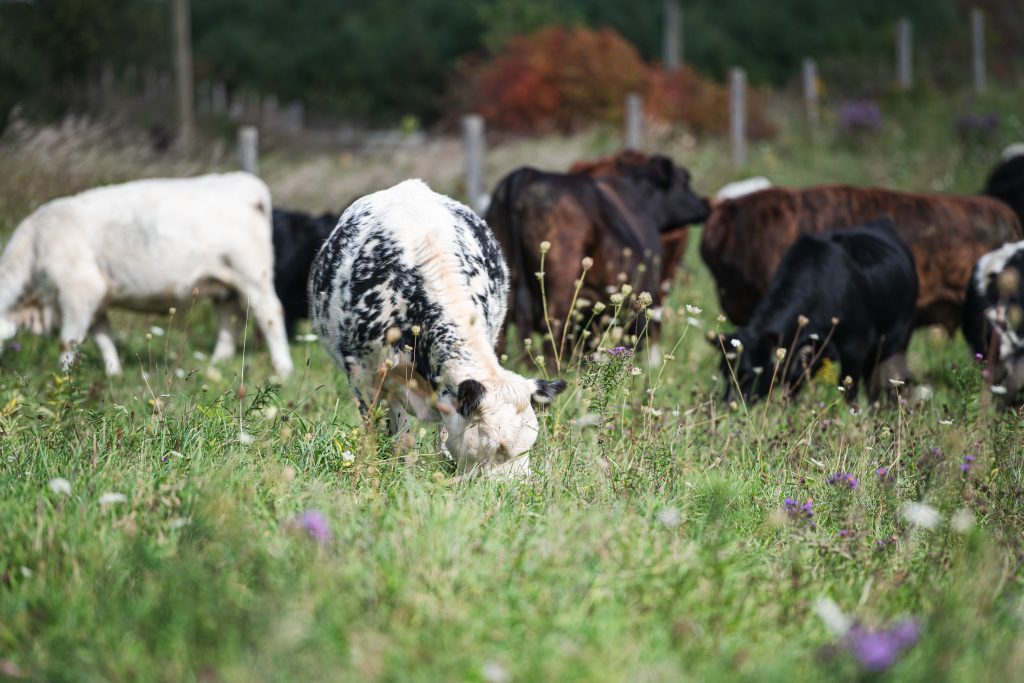
AHTF will focus our research within four overlapping interdisciplinary cornerstones:
- Agriculture
- Food systems
- Health and nutrition, and
- Social determinants of health research paradigms
We will assess what the research already tells us, identify important gaps and determine where further research is needed, and translate this evidence into opportunities for policy, investment, and farm practice.
Meet the Task Force
Task Force Co-Chairs
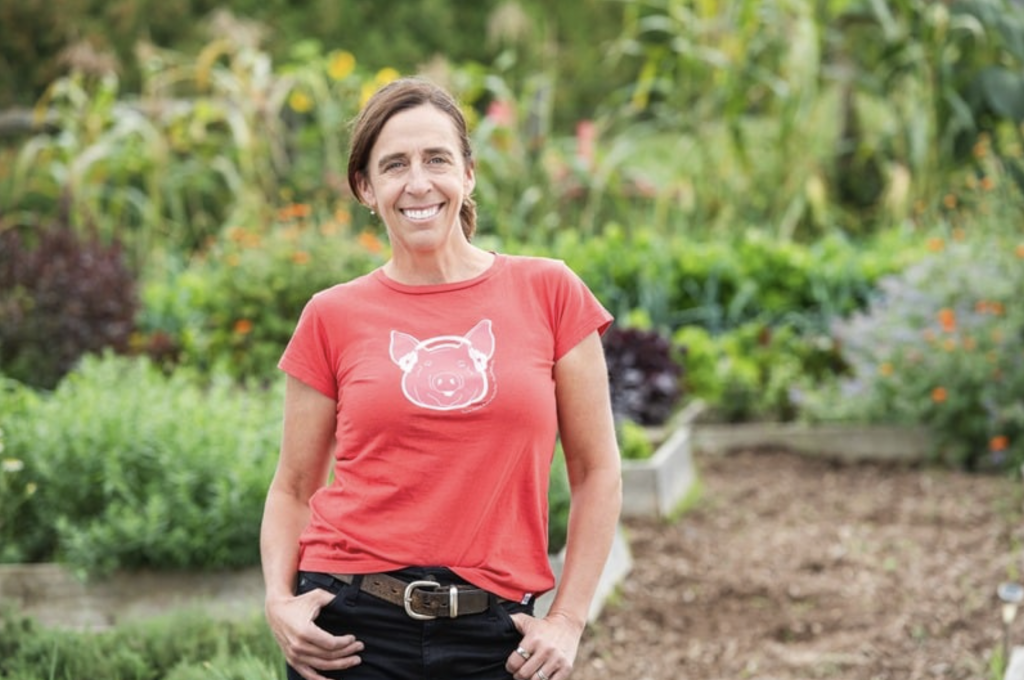
Agriculture Co-Chair
From planting vegetables to planting ideas, Gillian has grown her family’s farm into the inspiration for a movement. Originally from Vermont, she and her husband moved to Creemore, ON and started The New Farm, later co-founding The New Farm Centre after transforming their operation into Canada’s first vegetable farm to become Regenerative Organic Certified® Today, her nonprofit trains farmers nationwide, demonstrating climate-positive practices while feeding over 30,000 families across Southern Ontario. Gillian also helped to found Farmers for Climate Solutions, a coalition of 28 farm organizations advancing climate-friendly agriculture, and launched “Farms for Change” to transform food charity into dignified, choice-driven access.

Health Co-Chair
Family Physician, Member of Canadian Association of Physicians for the Environment (CAPE). Dr. Elsey joined the Agriculture and Health Task Force as Health Co-Chair through his work with CAPE promoting the human health benefits of a “planetary diet”, guidance clearly supported by high quality research. A task force that unites the agriculture/ food systems sector with the health sector to explore economic, climate and environmental impacts of this intersection is definitely needed. Dr. Elsey has convened a group of physicians but also other health professionals who all believe there is tremendous opportunity in this intersection. Dr. Elsey and his colleagues started with building a pilot program to address issues in the academic sphere, working with Family Medicine residency programs at Ottawa, Queens and U of T. We now are reaching out across Canada to connect with like minded clinicians. Dr. Elsey’s work with the Task Force supports his commitment to promote education of patients to adjust their diets and to provide an evidence base to for policies that support these adjustments.
Task Force Members
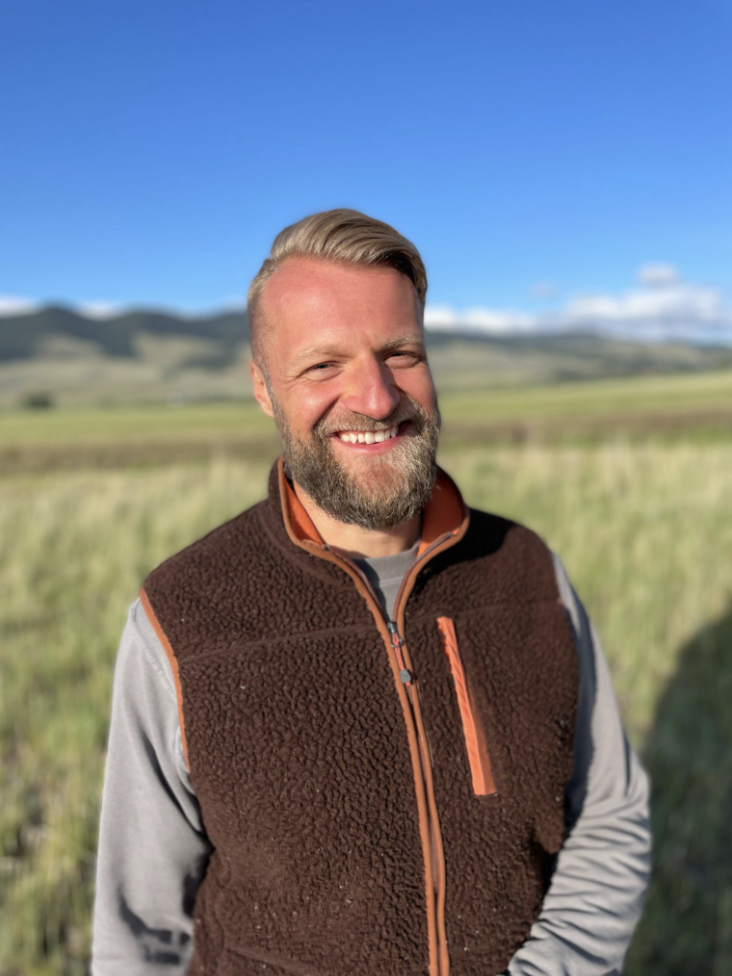
Dr. Stephan van Vliet is the Director of the Center for Human Nutrition Studies at Utah State University. Dr. van Vliet’s research is performed at the nexus of agricultural and human health. He routinely collaborates with farmers, ecologists, and agricultural scientists to study critical linkages between sustainable agriculture, the nutrient density of food, and human health. His work has been published in the American Journal of Clinical Nutrition, Scientific Reports, the Journal of Nutrition, and the Journal of Physiology.
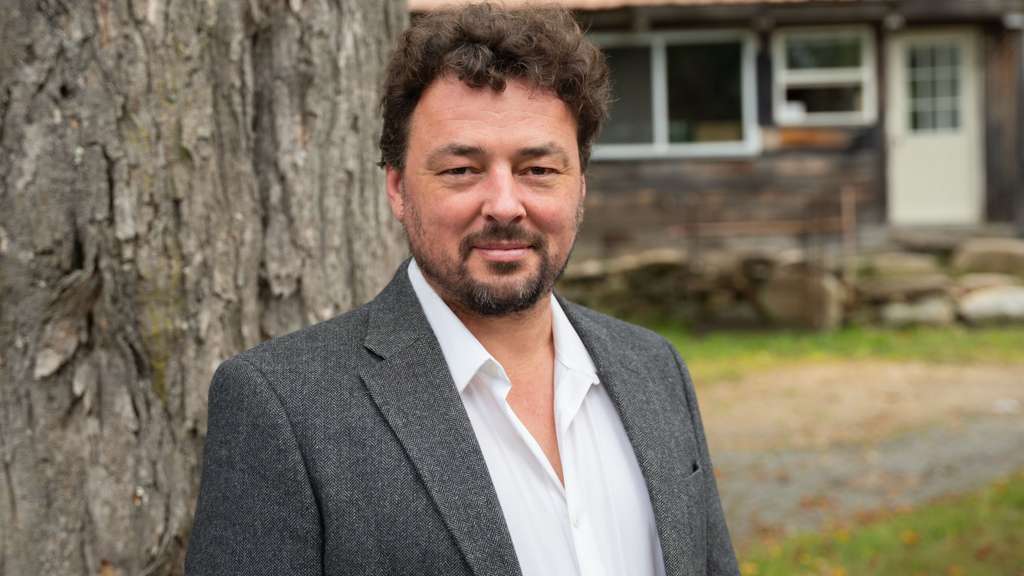
Dan Kittredge is the Founder and Executive Director of the Bionutrient Food Association (BFA) and Bionutrient Institute. Dan has been an organic farmer for more than 30 years. In 2010 launched the BFA in order to ignite a movement around food quality. Dan has become one of the leading proponents of “nutrient density,” and works to demonstrate the connections between soil health, plant health, and human health. Dan launched the Real Food Campaign, now the Bionutrient Institute, that, with open-source science partners Our-Sci and FarmOS, are leading the effort to identify and increase nutrition in the food supply.
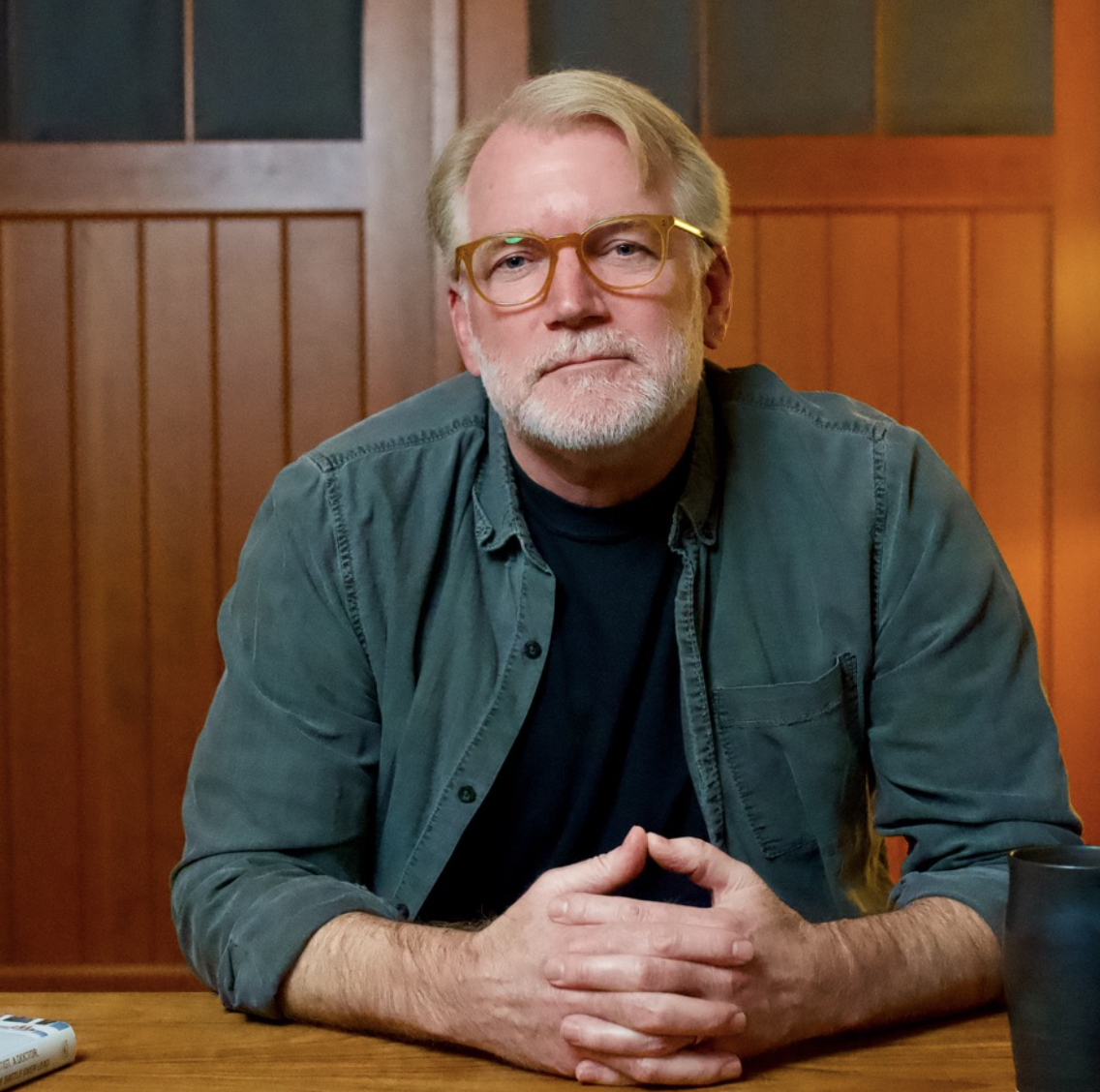
Bruce Lanphear, MD, MPH, a public health physician and professor at Simon Fraser University in Vancouver, has spent 30 years studying how to protect children from lead poisoning and other toxic chemicals. His research helped set federal lead standards and confirmed a sobering truth; no level of lead is safe. To reach a wider audience, he created Little Things Matter, which produces videos on population strategies and the power of prevention. On his Substack, Plagues, Pollutants, and Poverty, he writes about hidden threats to human health and strategies to protect communities.
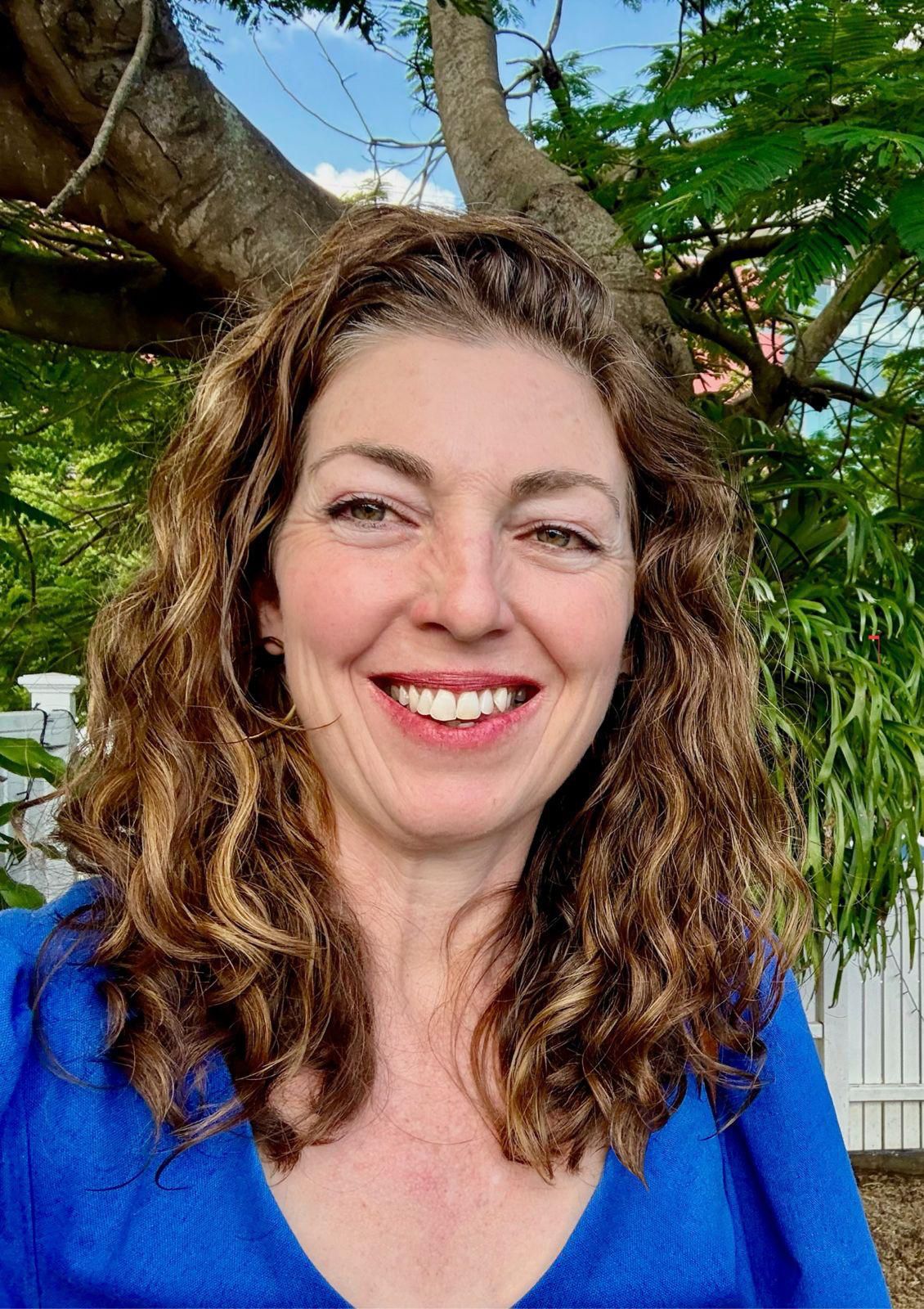
Sarah Seng is the Development Director at the Bionutrient Food Association (BFA). Sarah’s background spans engineering, agriculture, education, and governance, and she approaches development through a systems-thinking lens, connecting strategic frameworks with on-the-ground realities. A key area of focus in her work is the intersection of global sustainability standards and economic systems, especially how they shape capital flows and market access. She is deeply committed to ensuring that farmers have access to the tools, data, and context they need to thrive in an evolving global food economy.
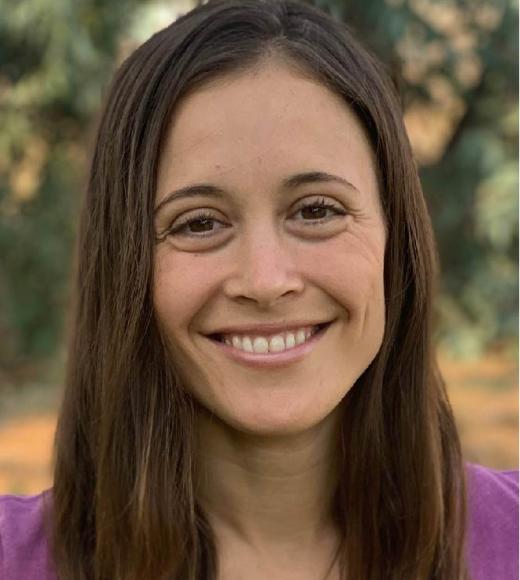
Dr. Jessica Chiartas received her PhD in Soils & Biogeochemistry from the University of California, Davis. Her research focuses on the long-term impacts of agricultural management on soil carbon, soil health and the provision of ecosystem services across a diversity of edaphoclimatic contexts. Following her PhD, she served as a postdoctoral fellow with the Innovation Institute for Food and Health and the UC Davis Department of Plant Sciences. Over the last five years, Jessica has supported businesses, brands, non-profits, and NGOs in developing bespoke monitoring programs to track the environmental, agronomic, and economic impacts of regenerative management.
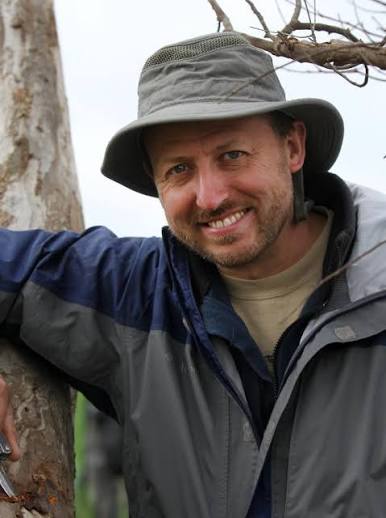
Dr. Jonathan Lundgren – agroecologist, PhD Entomology Illinois, Msc. Entomology UMN, Bsc Biology UMN. Founder and Executive Director of the Ecdysis Foundation, and CEO for Blue Dasher Farm. Lundgren received the Presidential Early Career Award for Science and Engineering by the White House. Dr. Lundgren has served as an advisor for national grant panels and regulatory agencies on pesticide and GM crop risk assessments. One of his priorities is to make science applicable to end-users, and he regularly interacts with the public and farmers regarding pest and farm management and insect biology. Dr. Lundgren founded Ecdysis Foundation & Blue Dasher Farm.