Welcome to the Regenerative Organic Hub’s Benchmarking Library! Benchmarking is the process of setting initial reference points for your farm and understanding the impact of farm management decisions. Benchmarking allows farmers to identify effective land management practices and make on-farm decisions that will regenerate their soil.
There are many reasons to establish a benchmark on your farm, but the goal is usually the same: it is to measure progress in key areas like carbon sequestration, water retention, and soil fertility. In a regenerative organic setting, benchmarks enable farmers to collaborate and share their stories on what works best, creating a community-driven model of continuous improvement.
Explore one of our curated step-by-step learning journeys, or scroll below to browse or search for benchmarking tools to support you wherever you are on your regenerative organic journey!
Learning Journeys
Our learning journeys are curated collections of educational content, designed to help you acquire knowledge and skills on a specific topic. To use the learning journeys to their full benefit, please follow along the steps detailed in each learning journey.
Start a learning journey and dive deeper into one of these regenerative organic topics:
Every tool in the Benchmarking Library below involves the discussion of one or more of the ecological processes. Below is a legend of icons to help you discover how each tool relates to the unique processes that are key characteristics of regenerative organic agriculture.
Search
Test Types
Test Locations
Sample Type
Types
Language
Categories
Biodiversity/Community Dynamics/Diversity, Energy Flow and Carbon, Mineral/Nutrient Cycle
Check out this composting handbook that is comprised of nine chapters focused on the principles of organic farming, manure, microbiology, and much more to help you get started on your composting journey.
So, you’ve come across some interesting information that you would like to try on your farm. Perhaps you want to try a new product or make a change to your normal processes. The first step is determining whether this new change, process or product will add value to your farm – economically, environmentally or otherwise. […]
Root nodulation in legumes indicates the strong establishment of the nitrogen-fixing relationship between the plant and the N-fixing bacteria. Root nodules should be numerous, relatively large and most importantly have a dark pink to red color that indicates they are actively producing nitrogen for use by the plant.
The rhizosheath is a layer of soil that is glued to plant roots as a result of rhizosphere activity, creating a "dread loc" appearance. Monitoring the rhizosheath helps to determine the level of interaction between the plant and the soil microbiome.
Root growth is a crucial indicator of the overall functionality of all the ecological processes. Good root growth is an expression of effective nutrient and water uptake as well as carbon sequestration through root exudation and resource exchange.
Soil colour can be indicative of the level of organic matter in the soil. Typically, the darker the colour, the more organic material is present. The colour of the subsoil can also indicate if the soil is waterlogged. If waterlogged, the soil can appear grey or grey with brown spots.
Soil smell is an important indicator of the biological processes occurring in the soil. Strong, earthy smells are indicative of active soil ecosystems while putrid and pungent smells are indicative of anaerobic conditions likely caused by compaction.
Aggregate stability is a measure of how well a soil aggregate maintains its structural integrity when submerged in water. This measurement demonstrates how soil microorganisms and plants interact in the rhizosphere and how their interactions build soil structure.
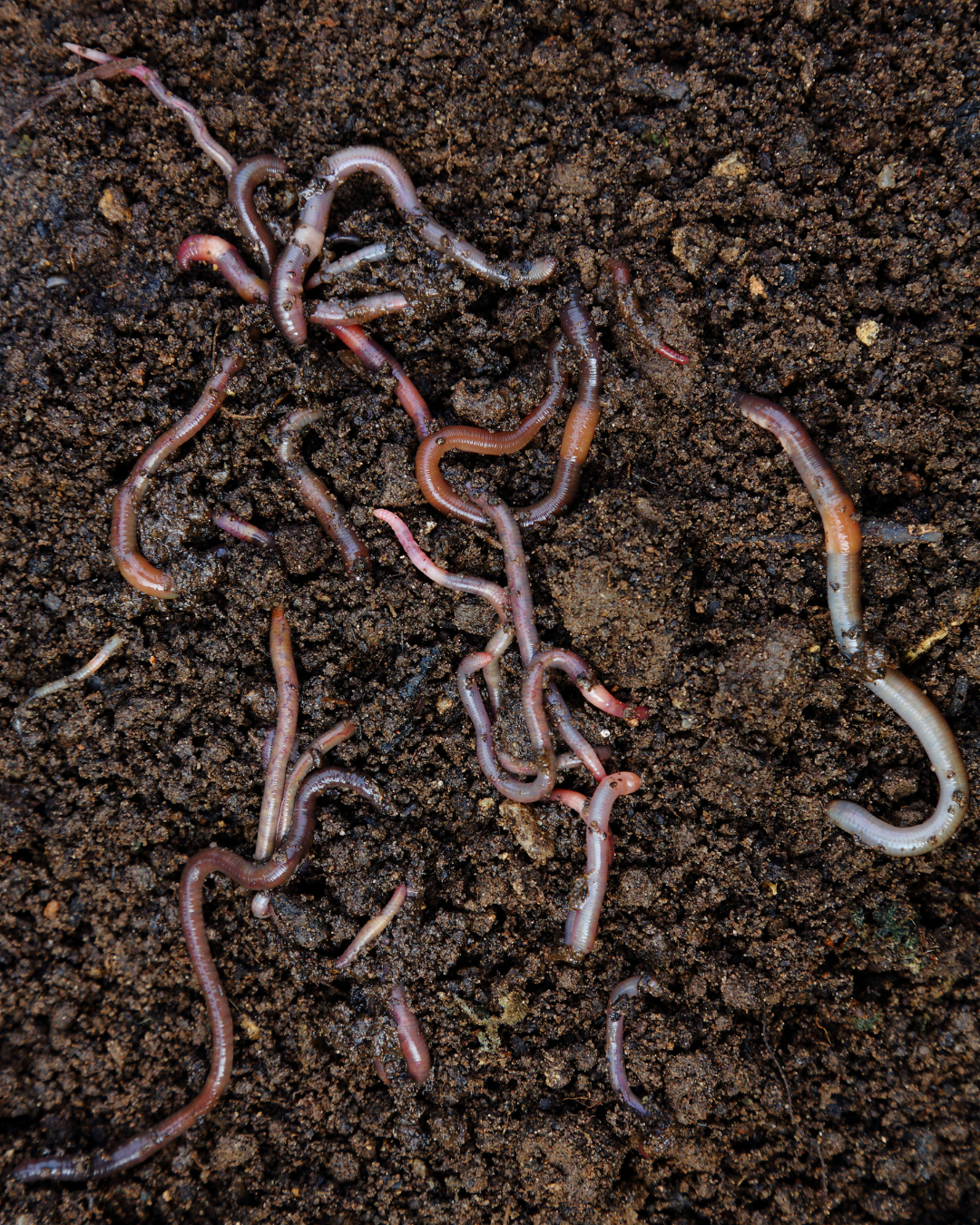
Fields that support a diversity of organisms tend to be resilient to environmental stressors and promote nutrient cycling, water cycling and the flow of energy between organisms (including crops). Observing macro-life (organisms that can be seen with the naked eye) above and below ground provides insight into biodiversity and can be an early indicator of the impact of field management.
Monitoring crop health provides a first look at what a crop is experiencing above and below ground. A plant’s ability to photosynthesize, uptake nutrients from the soil, and defend against pest and pathogen pressure all influence crop health.
Ponding is the accumulation of water in low lying areas that result from poor water infiltration often caused by soil compaction. Ponding can cause soil erosion and nutrient leaching as well as drown out crops and make affected areas inaccessible by machinery.