
A farm is more than the crops or livestock it produces. It is a living ecosystem, one made up of soil organisms, plants, insects, birds, mammals, fungi, microorganisms, wetlands, hedgerows, waterways, and countless relationships between them.
For organic, regenerative and ecological farms in particular, understanding and helping the biodiversity on your farm thrive is an important part of building a resilient farming system. But before farmers can improve the biodiversity on their farms, they need to know what is already living and calling the farm ecosystem their home.
That is where biodiversity assessments come in. A biodiversity assessment is essentially a structured way of asking: What non domesticated or wild species and habitats are present on the farm, where are they found, and how are they changing over time? The answers can help farmers identify opportunities to improve habitat, support beneficial species, strengthen ecosystem functions, and better understand how their farming practices interact with the surrounding landscape.
Why assess on farm biodiversity?
Biodiversity can sometimes seem like a conservation issue that exists separately from agricultural production. In reality, farms depend on biodiversity every day. Pollinating insects help produce fruits, vegetables, seeds, and other crops. Predatory insects and birds help regulate agricultural pests. Earthworms, fungi, bacteria, and other soil organisms contribute to nutrient cycling and build soil structure. Vegetation along waterways can help slow runoff and protect water quality. A biodiversity assessment helps make these often-overlooked relationships more visible.
For an organic or ecological farm, this can be especially valuable because biodiversity is often closely connected to the farm’s overall approach to soil health, habitat management, reduced chemical inputs, crop diversity, and ecological resilience.
An assessment can help answer practical questions such as:
- Which pollinators are supporting the farm?
- Are there enough flowering resources to support pollinators throughout the entire growing season?
- Which beneficial insects are present?
- What birds, amphibians, mammals, or reptiles are active on the farm?
- How diverse are the plant communities in field margins, pastures and natural areas?
- What is the condition of hedgerows, woodlots, wetlands, ponds, and riparian areas?
- What does the farm’s soil biology look like?
- Are biodiversity-friendly efforts actually increasing habitat and species abundance over time?
Most importantly, the assessment creates a baseline. Instead of simply saying that a farm is “biodiversity friendly,” farmers can begin documenting what is actually happening on their land.
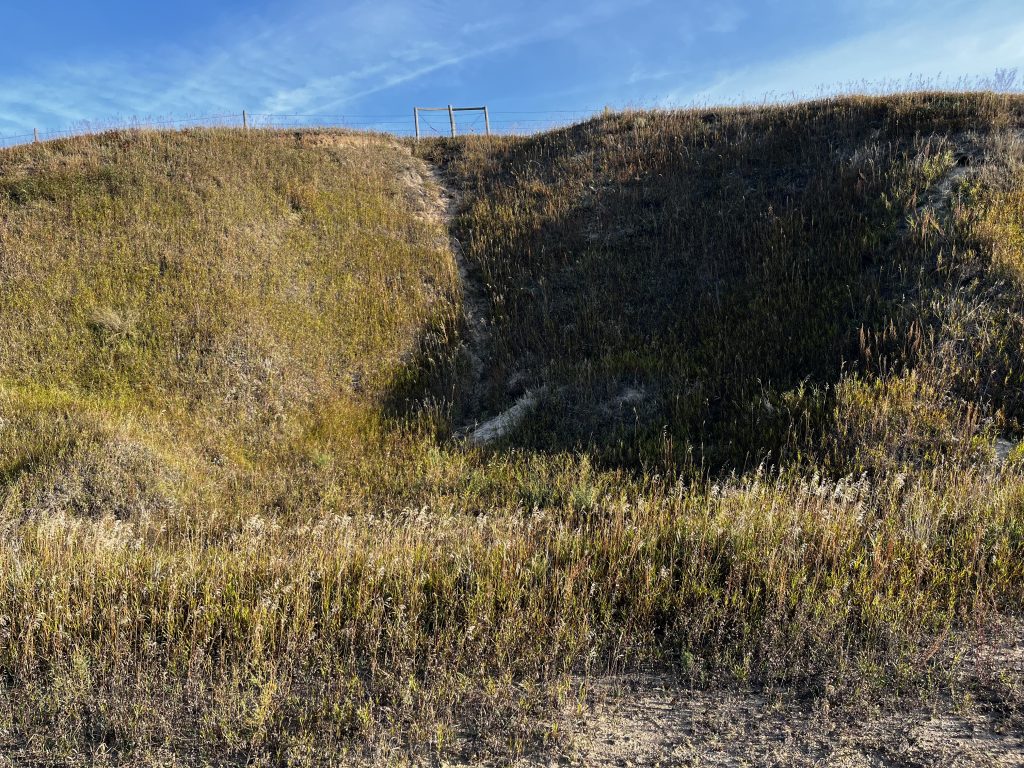
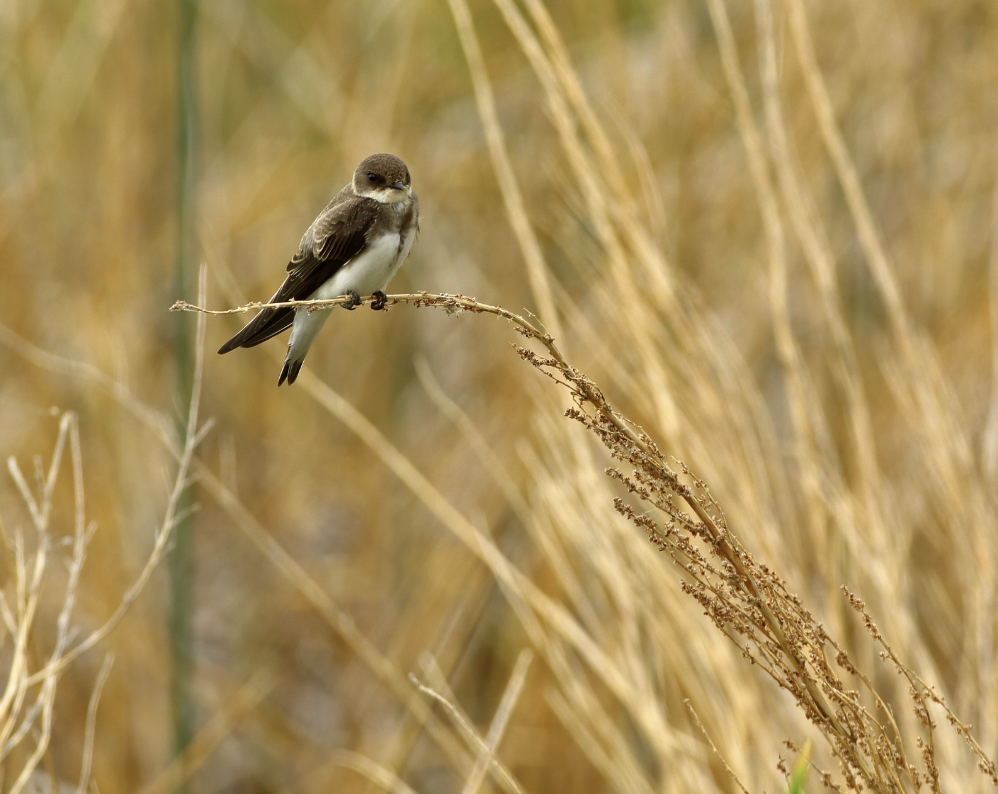
For Jason Jess, owner of Pleasant Valley Ranch Corp near North Battleford, Saskatchewan, and participant in COG’s Regenerative Organic Oats (ROO) program, starting a biodiversity assessment project came from a concerning observation. North Battleford is located in west-central Saskatchewan and Jason’s property includes native prairie that is home to many bird species including sand swallows. “In the last 15-20 years, I have been increasingly concerned about not seeing as many birds around, especially sand swallows who often burrow in the native prairie areas on my land.”
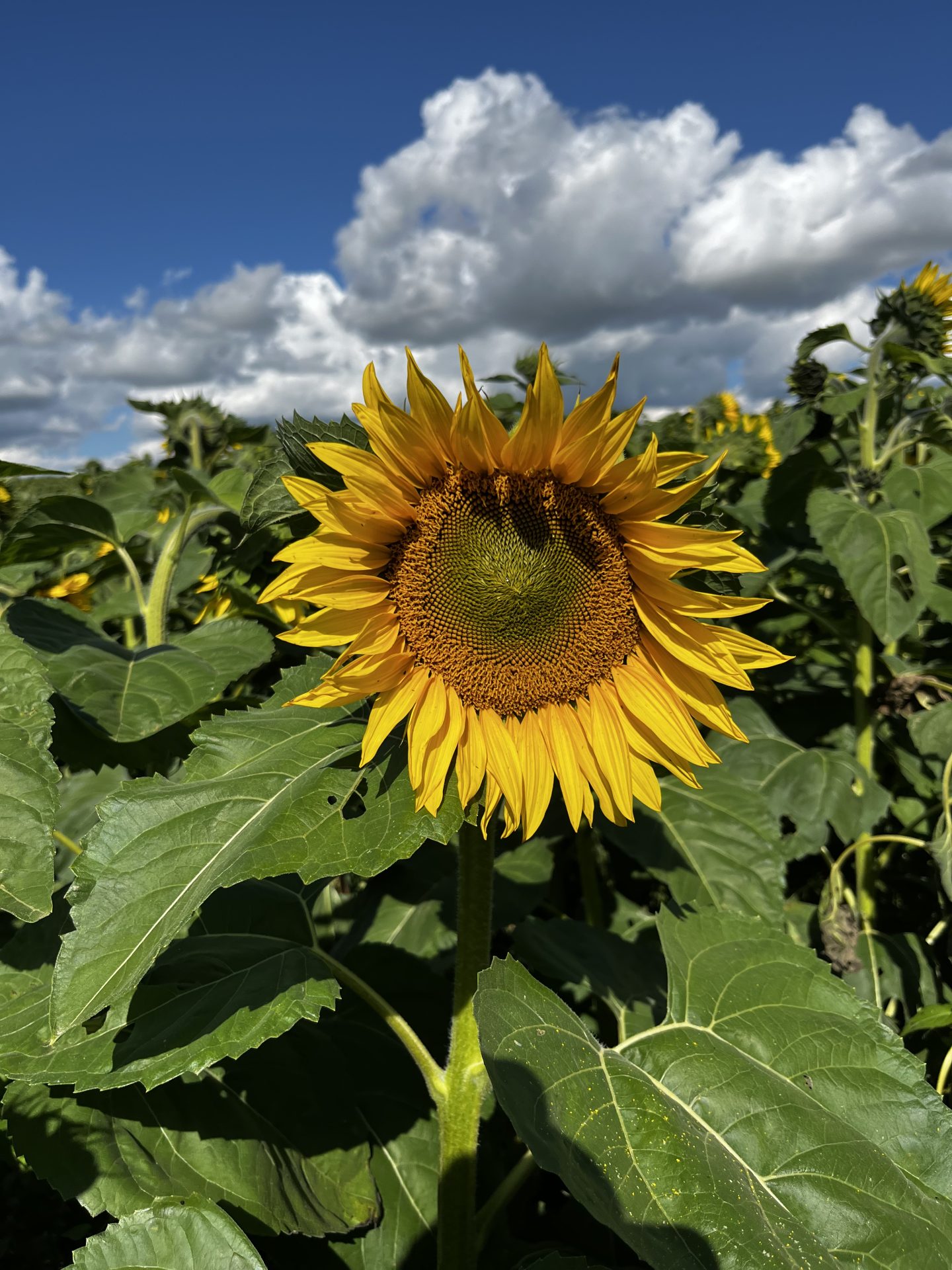
Jason’s family has preserved the native prairie for 3 generations and Jason is teaching his kids to do the same. In addition to preserving natural bird habitats on the property, Jason has planted sunflower fields for several years to attract and feed birds and bees. In 2026, he planted 40 acres of sunflowers to support wildlife and after seeing the benefits year after year, he hopes to continue. Another addition Jason made was planting more trees like spruce and several rows of Okanese poplar trees to encourage nesting. By making these changes Jason noticed a significant increase in the number of bird species on the property.
Jason was also contacted by researchers at the University of Saskatchewan, who were conducting an assessment on endangered bird species in the area. By setting up sound monitors across the farm, the researchers were able to monitor bird calls and confirm that Jason’s farm was home to over 130 species of birds – including several endangered species. This was astounding to the researchers as the average in the province was 80 species of birds in a given area. Clearly Jason’s hard work in making his farm more hospitable to birds had paid off.

Start Simple – Biodiversity assessments don’t have to be complex
Receiving support from scientists and researchers to conduct a biodiversity assessment project is great but it’s not a necessity. Often farmers already know what issues in the ecosystem exist, make daily observations about their natural neighbours, and adjust their practices with observational information.
A farm can begin with a relatively simple assessment and become more sophisticated over time. The goal of biodiversity assessment projects is not necessarily to identify every organism on the property. Instead, farmers can select indicators that are relevant to their goals, values and landscape.
For example, a vegetable farm might focus on pollinators, beneficial insects, soil organisms, and flowering plants. A livestock farm might be particularly interested in pasture plant diversity, birds, amphibians, soil health, and riparian habitat.
Rob and Lisa Schill, owners of Schill Family Farm and participants in COG’s Regenerative Organic Oats (ROO) program are currently piloting an insect biodiversity assessment on their farm near Balcarres, Saskatchewan. The Schills’ biodiversity project will collect data over a 3 year period, measuring two key areas: abundance (the number of insects present) and diversity (how evenly distributed those insects are). Observationally, they’ve noticed a more diverse insect population not only in pollinators but also in predatory insects as well. Despite some equipment limitations in their first year, the Schills were able to assess a few managed and unmanaged sites and have established a strong baseline to work from in the years to come.
“We were motivated to start a biodiversity assessment project because we think it’s a good way to see if our agricultural practices have a positive impact on the world around us. I think any time we monitor the impacts of our system on the environment, we can then use that information to make changes or improvements to how we do things.”

Inspired to start a biodiversity assessment next season?
The real value of a biodiversity assessment comes when the information informs management.
Suppose a farm discovers that pollinator numbers are high in June but drop sharply in August. That finding could lead to a practical intervention: planting later-blooming native plants or maintaining flowering pasture into late summer.
Or perhaps a bird survey shows that most bird activity is concentrated around a particular hedgerow. The farm could prioritize protecting that habitat and potentially extend the hedgerow to connect it with another natural area.
A soil assessment might show substantially greater earthworm activity in fields with cover crops and reduced tillage. That information could contribute to decisions about expanding those practices.
In this way, biodiversity monitoring becomes a form of adaptive farm management: observe, learn, change, and observe again.
Here are several types of biodiversity assessments that farms can consider.
1. Pollinator Surveys
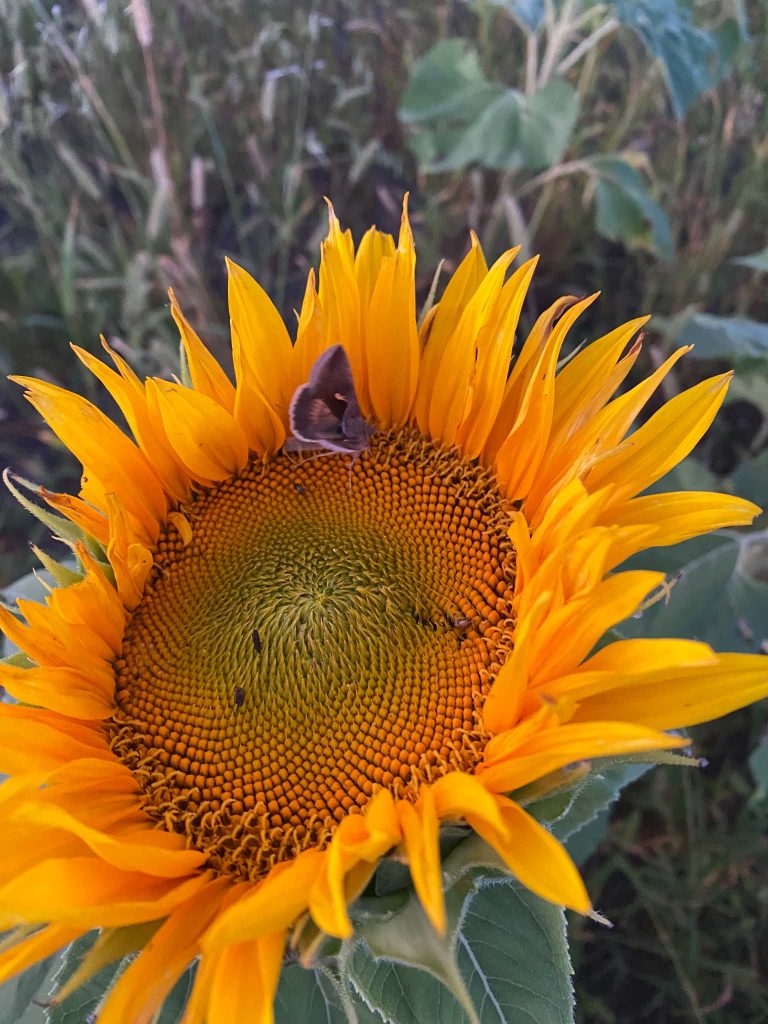
Pollinators are one of the most accessible groups to monitor. Farmers can establish observation areas and periodically record bees, butterflies, hoverflies, moths, and other flower-visiting insects.
The assessment might track:
- Number of pollinators observed
- Different groups or species identified
- Which plants they are visiting
- Flowering resources available throughout the season
- Differences between fields, hedgerows, pasture, and natural areas
Repeating the survey throughout the growing season can reveal whether the farm provides food for pollinators only during a short flowering period or throughout much of the year.
2. Bird Surveys
Birds can be useful indicators of habitat diversity because different species use different parts of the farm. A simple bird survey might record species observed from designated points on the farm at particular times of day and year. Farmers may discover that hedgerows, wetlands, shelterbelts, ponds, mature trees, or uncultivated field edges are providing important habitat.
Bird monitoring can also reveal changes following management interventions, for example, whether establishing hedgerows or restoring a wetland increases the number or diversity of birds using the property.

3. Beneficial Insect Assessments
Not every insect found on a farm is a pest. Lady beetles, lacewings, ground beetles, parasitoid wasps, hoverflies, spiders, and other organisms can contribute to natural pest control. Farmers can use simple trapping or observation methods to compare beneficial insect abundance in different parts of the farm.
This can be particularly useful when evaluating practices such as flowering strips, reduced tillage, cover crops, hedgerows, and perennial habitat.

4. Soil Biodiversity Assessments
Some of a farm’s most important biodiversity is found underground. Earthworms are relatively easy to monitor, making them a useful starting point for a basic soil biodiversity project. More detailed assessments can examine soil microbial communities, fungi, nematodes, and other organisms.
Farmers might compare soil biological activity between:
- Intensively managed and less-disturbed areas
- Different crop rotations
- Fields with and without cover crops
- Different tillage systems
- Pasture and annual cropland
- Areas receiving different organic amendments
These assessments can complement more familiar soil measurements such as organic matter, nutrient levels, aggregation, and water infiltration.

5. Habitat Mapping
Sometimes the most useful first biodiversity assessment is simply a map.
Farmers can identify and map:
- Woodlots
- Hedgerows
- Ponds
- Wetlands
- Streams and riparian zones
- Grasslands
- Pastures
- Flowering strips
- Field margins
- Mature trees
- Bare or sparsely vegetated areas
- Nesting or overwintering habitat
This creates a picture of the farm as a landscape rather than simply a collection of production fields. It can also reveal opportunities to connect isolated habitats.
Learn More
Check out the Benchmarking Library on COG’s Regenerative Organic Hub for more resources on biodiversity assessments.
Want to read about how COG’s Regenerative Organic Oats (ROO) program works with Prairie-based growers like Jason and Rob? Visit our ROO program page to learn more.